Maximize Efficiency: Top Data Center Infrastructure Management Services for Peak Performance
Streamlining performance in data centers is necessary for organizations striving to strengthen capability. Top Data Center Infrastructure Management (DCIM) services furnish essential capabilities for immediate tracking and reporting. Solutions from ServiceNow, Sunbird, Schneider Electric, and Nlyte demonstrate excellence in this environment. These services not only supervise assets but also streamline resource usage. Understanding how to identify the right DCIM solution can achieve significant improvements. What elements should organizations assess to make an strategic choice?
Top DCIM Solutions for 2023
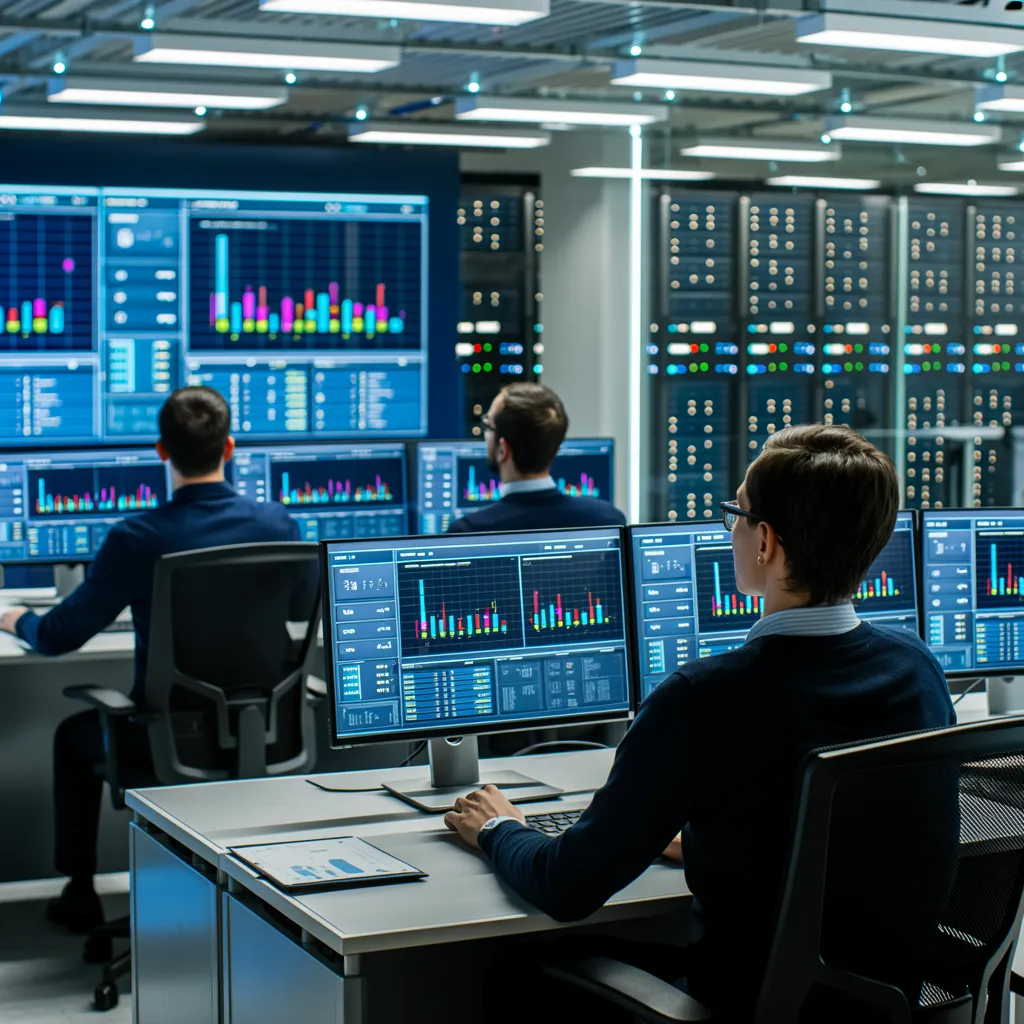
As enterprises increasingly rely on data centers to enable their operations, identifying the best Data Center Infrastructure Management (DCIM) platforms for 2023 becomes vital. Prominent DCIM platforms deliver thorough solutions crafted to optimize resource management, improve operational efficiency, and guarantee robust monitoring capabilities. Notable competitors in the market include ServiceNow, known for its integration capabilities, and Sunbird, which excels in real-time visualization and reporting. Additionally, Schneider Electric offers a powerful platform for energy management and asset tracking.
Another key competitor, Nlyte, focuses on enhancing data center efficiency through sophisticated analytics. These solutions not only enable better decision-making but also assist with forecasting upcoming needs. As data requirements continue to grow, selecting a DCIM service that offers flexibility and adaptability is critical. Ultimately, organizations must assess their specific needs to choose the most suitable DCIM service, ensuring peak efficiency and dependability in their data management strategies.
Learning about Data Center system administration (DCIM)
Data Center Infrastructure Management (DCIM) encompasses a suite of tools and methodologies designed to oversee, control, and enhance data center assets. By integrating IT and infrastructure oversight, DCIM delivers comprehensive insight into the efficiency and usage of critical assets. This method facilitates real-time data collection, enabling operators to make informed decisions regarding power usage, temperature management effectiveness, and area allocation.
DCIM tools often provide capabilities such as asset tracking, capacity planning, and climate control assessment, which together improve performance optimization. They empower facility administrators to detect bottlenecks, streamline workflows, and reduce expenses. Furthermore, DCIM facilitates long-term preparation for growth initiatives and helps companies comply with compliance requirements. By adopting robust DCIM practices, data centers can achieve greater dependability, enhanced environmental responsibility, and superior operational excellence, eventually contributing to superior service provision in a rapidly evolving digital landscape.
Key Elements for Picking Powerful DCIM Solutions
Selecting effective Data Center Infrastructure Management (DCIM) services requires meticulous evaluation of critical features that boost performance and resource management. Important attributes include immediate observation tools, enabling instant awareness into energy consumption and environmental conditions. Integration with existing infrastructure is also critical, as seamless communication fosters a integrated approach to data management.
Scalability functions as another significant feature, allowing organizations to adjust as their infrastructure evolves and expands. Sophisticated analysis tools can provide predictive insights, supporting strategic planning and minimizing downtime. User-friendly interfaces enhance accessibility for multiple users, while robust security measures safeguard sensitive data.
Finally, personalization features ensure that DCIM services can be tailored to meet specific organizational needs. By focusing on these essential features, companies can select DCIM services that not only enhance efficiency but also contribute to long-term sustainability and operational success.
Finding the Right DCIM Tool Suited to Your Organization?
How might an institution determine the best DCIM system designed to its unique needs? The evaluation process initiates with a thorough analysis of existing infrastructure and routine requirements. Organizations should establish defined goals, such as maximizing uptime, enhancing resource utilization, or streamlining capacity planning. Additionally, evaluating scalability is essential; a solution must conform to prospective growth and technological advancements.
Next, organizations must consider integration features. The ideal DCIM solution should integrate smoothly with existing tools and platforms. Ease of use also plays a crucial part; intuitive interfaces promote user adoption and operational efficiency.
Additionally, enterprises should examine technical support and community engagement, as continuous help and resources can be critical. Finally, undertaking a cost-benefit analysis confirms that the selected solution matches with spending limits while offering the expected returns. By implementing these steps, organizations can assuredly pick a DCIM system that meets their unique needs and enhances overall performance.
Leveraging DCIM Platforms to Optimize Energy Efficiency
Deploying DCIM tools can greatly improve energy efficiency within data centers. Through providing extensive insights into power consumption and thermal dynamics, these tools enable operators to uncover inefficiencies and refine resource allocation. With real-time data on energy usage, data center managers can take informed decisions about equipment placement and cooling approaches, making sure that energy is not squandered.
DCIM solutions also facilitate automation in monitoring and managing power loads, allowing for dynamic adjustments based on current demand. This responsiveness can lead to significant reductions in energy costs. In addition, comprehensive analytics within DCIM tools can pinpoint areas for further improvement, advancing preventive actions rather than reactive approaches.
Merging these tools into daily operations promotes a culture of continuous improvement, ultimately yielding a lower-impact data center habitat. The takeaway is not simply enhanced efficiency but also a lessened carbon emissions, aligning with broader environmental goals.
Real-Time Monitoring : The Backbone of DCIM Achievement
Real-time tracking works as a vital factor in the accomplishment of Data Center Infrastructure Management (DCIM). By presenting advanced performance indicators, it permits forward-thinking issue identification and refinement of resource utilization. This capacity in the end produces superior operational effectiveness and stability within data centers.
Optimized Performance Metrics
Assessing infrastructure system performance constitutes an urgent requirement for boosting operational efficiency and guaranteeing dependability. Advanced operational benchmarks convey important analytical insights concerning multiple operational sectors, incorporating power efficiency parameters, cooling performance metrics, and equipment allocation. Via tapping into streaming data sources, corporate entities can gauge their system durability and responsiveness, supporting evidence-based choices. Monitoring indicators like infrastructure uptime, transmission delays, and bandwidth utilization prove effective for trend detection and establishing resource forecasts. Simultaneously, these measures build team accountability, shaping investments and long-term planning. Persistent performance analysis of operational metrics benefits industry standardization versus standard metrics and develops a framework for continuous advancement. At its foundation, advanced measurement systems function as a foundational basis in strong data center management, generating operational excellence and market positioning.
Proactive Concern Identification
Proactive concern identification matters significantly in ensuring the robustness of data center operations. By employing instant surveillance systems, data centers can identify emerging issues ahead of deterioration into major malfunctions. This framework enables teams to react swiftly to anomalies in temperature, electrical usage, and equipment performance. Relentless monitoring secures that any shifts from established norms are flagged without delay, granting for timely interventions. As a outcome, the overall robustness of the infrastructure is boosted, cutting down downtime and preserving service quality. Moreover, early identification contributes to data-driven choices regarding maintenance schedules and capacity management, fundamentally optimizing operational efficiency. Investing in robust monitoring solutions is indispensable for sustaining maximum output in current era's complex data environments.
Resource Employment Optimization
Successful administration of a data center's resources depends on the capacity to perpetually monitor and evaluate operational metrics. Real-time monitoring functions as the basis for optimizing resource utilization, allowing data center managers to detect inefficiencies and distribute assets effectively. By utilizing advanced DCIM tools, organizations can collect essential information on power consumption, cooling efficiency, and workload distribution. This data permits for more knowledgeable decision making, ensuring that resources are employed to their fullest potential. Additionally, real-time analytics facilitate immediate responses to changing demands, reducing waste and boosting overall performance. Ultimately, effective resource utilization optimization not only improves operational efficiency but also supports sustainability goals, making it a crucial component of modern data center management strategies.
Anticipated Trajectories in Data Center Infrastructure Management
As server facilities evolve to meet increasing demands for efficiency and speed, emerging developments in Data Center Infrastructure Management (DCIM) are reshaping the industry. One significant trend is the incorporation of AI (AI) and machine learning, which improves predictive analytics for resource allocation and energy management. These solutions enable real-time monitoring and automated responses to potential issues, greatly reducing service interruptions.
Additionally, the implementation of edge computing is driving a change read about this in DCIM strategies, as companies aim to handle data closer to its source for improved speed and performance. This requires advanced management tools to maintain performance across distributed environments.
Sustainability remains at the leading edge, focusing on lowering carbon footprints and enhancing how resources are consumed. Lastly, the growth of hybrid cloud solutions needs more complex DCIM systems capable of seamlessly handling both on-premises and cloud resources, guaranteeing the highest operational efficiency.
Frequently Asked Inquiries
What Is The Process To incorporate DCIM With Current Data Center Systems?
To integrate DCIM with existing data center systems, one should inspect current infrastructure, guarantee compatibility, implement APIs for data exchange, and perform thorough testing to establish seamless operation and improved management capabilities across platforms.
How Much Does the Standard Expense to Implement DCIM Solutions?
DCIM solution installation commonly ranges from $20,000 to $150,000 in cost, shifting according to the data center magnitude, infrastructure complexity, and the targeted capabilities required to achieve ideal management.
What specific compliance standards relate to DCIM Services?
Yes, there are particular regulatory requirements for DCIM services, such as ISO 27001 for information security, PCI DSS for payment data security, and multiple environmental guidelines that guide power consumption optimization and sustainability practices within data centers.
Which Schedule Should I Follow for Updating My DCIM Software?
DCIM software should be updated at least every year, though quarterly upgrades are advised to ensure optimal performance, fortified security, and compliance with modern standards. Regular evaluations help pinpoint when updates are necessary for specific business demands.
Can DCIM Solutions Help in Emergency Response Preparation?
DCIM tools provide considerable help in disaster recovery planning through real-time monitoring, inventory control, and contingency modeling. This guarantees that computing facilities are well-equipped for unforeseen interruptions, improving overall robustness and recovery strategies.