Improving ESG Standards: The Way Data Center Services Advance Sustainable Business Methods
Improving ESG compliance in datacenter operations is increasingly important in the current market environment. As companies face expanding compliance requirements, the role of data centers in advancing eco-friendly approaches becomes vital. Multiple solutions, such as sophisticated temperature management and clean energy alternatives, serve a crucial function in this shift. However, obstacles persist in accomplishing these goals. Understanding these dynamics is essential for any organization aiming to excel in the sustainable digital economy.
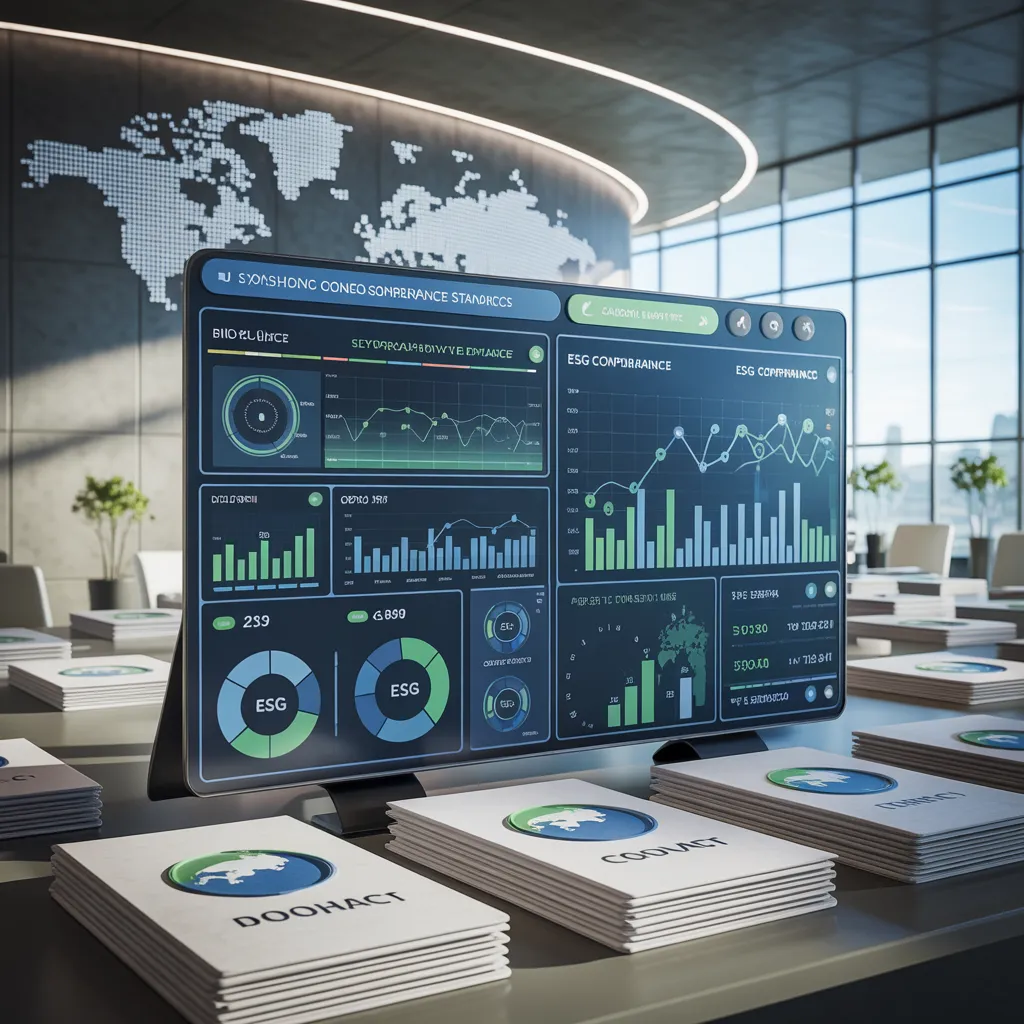
Why ESG Regulations Is Essential for Data Centers
As companies increasingly prioritize environmental responsibility, understanding the significance of ESG adherence for data centers proves critical. ESG, which stands for Environmental, Social, and Governance, acts as a model to assess how organizations manage risks and opportunities concerning sustainability. For data centers, compliance with ESG standards is essential, as these centers consume significant energy and resources. By adhering to ESG principles, data centers can substantially lower their environmental footprint, strengthen operational efficiency, and promote social accountability.
Moreover, ESG compliance can enhance a data center's standing, drawing in eco-aware customers and stakeholders. As regulatory frameworks change, organizations encounter increasing pressure to show accountability and transparency in their activities. Non-compliance may lead to monetary fines and harm to reputation. Ultimately, integrating ESG considerations into data center management is not merely a compliance requirement; it is a strategic imperative for sustained growth and competitive advantage in a rapidly changing market.
Primary Technologies Supporting Sustainable Data Center Operations
Sustainable data center management are increasingly shaped by key technologies concentrated on power optimization and sustainable energy adoption. Innovations in cooling systems and energy distribution are improving energy utilization, while the implementation of renewable energy technologies is reducing environmental impact. Together, these improvements are shaping a more eco-conscious strategy to data center management.
Energy Efficiency Innovations
A remarkable transformation in data center performance is enabled by energy efficiency solutions that leverage advanced technologies. These innovations include advanced cooling systems, such as liquid cooling and immersion cooling, which markedly diminish energy consumption compared to traditional methods. Additionally, the implementation of artificial intelligence and machine learning refines resource allocation, improving operational efficiency. Smart power distribution units (PDUs) oversee and manage energy use dynamically, additionally minimizing waste. Furthermore, virtualization techniques allow for better server utilization, decreasing the need for physical hardware. Together, these advancements contribute to lower carbon footprints and operational costs, aligning data centers with sustainable business practices while meeting regulatory ESG compliance requirements. Consequently, energy efficiency solutions play an essential role in shaping the future of sustainable data center operations.
Renewable Energy Implementation
Integrating renewable energy sources is fundamental for advancing sustainable data center operations. Data centers increasingly rely on solar, wind, and geothermal energy to supply power to their facilities, considerably lowering carbon footprints. Technologies such as energy storage systems, including lithium-ion batteries, help in managing energy supply and demand, ensuring uptime during periods of limited renewable generation. Additionally, advanced energy management software optimizes energy consumption through studying usage patterns and adjusting to real-time conditions. Many data centers are also exploring Power Purchase Agreements (PPAs) that secure long-term renewable energy contracts, helping financial stability while encouraging green energy growth. By using these technologies, data centers not only improve their sustainability but also contribute to wider ESG compliance efforts, aligning business practices with environmental responsibility.
Maximizing Energy Performance to Minimize Ecological Impact
Improving energy efficiency is important for data centers looking to decrease their ecological impact. This can be read now achieved through innovative infrastructure design, cutting-edge cooling technologies, and the adoption of clean energy alternatives. By prioritizing these areas, data centers can boost green practices while sustaining business efficiency.
Energy-Saving Infrastructure Architecture
Building green facilities functions as an key strategy for data centers seeking to reduce their environmental burden. By making use of premium materials, streamlining configurations, and implementing renewable energy sources, data centers can considerably minimize energy demand. Introducing energy-saving illumination and smart power management boosts operational efficiency further. Furthermore, sturdy power management platforms enable real-time observation, helping data centers to uncover and resolve inefficiencies without delay. The embrace of scalable designs can likewise promote scalability while keeping energy efficiency. By and large, these facility upgrades not only reinforce compliance with environmental, social, and governance (ESG) standards but also advance sustainable practices. Via intentional architecture, data centers work toward a sustainable tomorrow while strengthening their overall functional effectiveness.
Advanced Cooling Technologies
Advanced cooling methods play an vital role in improving energy savings within data centers while reducing their ecological footprint. Innovations such as fluid cooling technologies, which immediately move heat away from essential elements, greatly reduce power use compared to traditional conventional air cooling. Additionally, advanced cooling devices utilize monitoring devices and AI algorithms to adapt in real-time cooling based on live usage, further optimizing energy use. Implementing free cooling techniques takes advantage of ambient environmental factors, allowing data centers to operate efficiently without relying solely on engine-driven cooling. By adopting these cutting-edge cooling approaches, organizations can achieve significant decreases in energy use ratio, ultimately contributing to decreased greenhouse gases and a more environmentally responsible operation.
Clean Energy Integration
The integration of sustainable power options into data center operations represents a significant step towards reaching sustainability goals. By leveraging solar, wind, and hydroelectric power, data centers can substantially reduce their carbon footprints. These facilities are increasingly adopting energy-efficient technologies that enhance power usage, such as advanced power management systems and smart grid solutions. Additionally, integrating energy storage solutions allows for better management of renewable energy supply, ensuring a stable power flow even during fluctuating conditions. This change not only reduces operational costs but also strengthens compliance with Environmental, Social, and Governance (ESG) standards. Ultimately, renewable energy integration promotes a more sustainable approach to data center management, conforming business practices with broader environmental objectives.
Effective Resource Management Techniques for Sustainable Data Centers
While many institutions focus on sustainability, effective resource management techniques are critical for data centers committed to minimize environmental impact. Establishing modern cooling infrastructure, such as liquid cooling or free air cooling, can considerably reduce energy consumption. Moreover, embracing virtualization technologies allows for peak performance of physical servers, reducing the need for additional hardware and energy.
Frequent assessment of energy usage via data analytics helps identify operational gaps and sectors for improvement. In addition, applying modular architectural approaches facilitates data centers to scale resources according to actual requirements, avoiding overprovisioning.
Deploying a robust recycling program for e-waste is necessary for reducing landfill disposal. Moreover, engaging in sustainable procurement practices guarantees that all goods sourced align with environmental criteria. Together, these techniques form an complete blueprint for data centers to operate more sustainably, ultimately supporting broader ESG goals objectives while optimizing operational performance.
Displaying ESG Compliance Achievements in Data Centers
As companies increasingly prioritize environmental responsibility, several data centers have come forth as leaders of ESG compliance, demonstrating cutting-edge strategies to environmental stewardship. One notable example is a center in Amsterdam that utilizes advanced temperature control technologies, significantly reducing energy usage while preserving optimal performance. This center has achieved a 40% reduction in carbon output through the incorporation of sustainable energy sources, such as wind and solar power.
Yet another success story is a data center in Singapore that focuses on water efficiency by employing a closed-loop cooling system, lowering water usage by 70%. This facility also works with local communities to champion environmental awareness and eco-friendly actions.
Furthermore, a data center in Northern Virginia has implemented rigorous waste management protocols, redirecting over 90% of its waste from landfills. These success stories illustrate how data centers can pioneer in environmental, social, and governance adherence, setting benchmarks for sustainable practices in the industry.
What Hurdles Do Data Centers Encounter in Attaining ESG Compliance?
Achieving ESG compliance poses numerous challenges for data centers, despite the motivating examples of success highlighted previously. One major hurdle is the elevated energy consumption inherent in data center operations, which leads to substantial carbon footprints. Many centers struggle implementing renewable energy strategies due to financial restrictions or infrastructural limitations. In addition, regulatory requirements differ widely across regions, making compliance a intricate, fragmented process that requires constant monitoring and adaptation.
Another hurdle lies in the integration of eco-friendly initiatives within existing operations. Data centers often encounter challenges in retrofitting older facilities to meet modern ESG standards. Furthermore, the changing landscape of technology requires ongoing funding in upgrades, which can strain budgets. Finally, employee development and awareness regarding ESG principles are essential yet often neglected, further complicating compliance with sustainability goals. These challenges underscore the need for deliberate preparation and innovation in data center operations to achieve meaningful ESG compliance.
Anticipated Developments in Data Center Green Initiatives and ESG Requirements
Rising trends in data center sustainability and ESG compliance are expected to reshape the industry landscape markedly. The accelerating uptake of alternative energy sources, such as solar and wind, is a central concern, as data centers work to minimize their carbon footprints. Additionally, the merging of advanced cooling technologies, including liquid cooling and free-air cooling, is building momentum to strengthen energy efficiency.
In addition, the proliferation of artificial intelligence and machine learning in resource management empowers data centers to optimize operations, reducing waste and optimizing energy consumption. Regulatory standards are also advancing, motivating organizations to execute more stringent ESG standards.
As parties demand greater openness, data centers will increasingly implement blockchain technology to confirm transparency in their sustainability efforts. Overall, these patterns will not only advance compliance but also foster creative solutions, positioning data centers as frontrunners in the shift to a more responsible digital economy.
Frequently Asked Questions
In What Ways Might Compact Data Centers Improve Their ESG Adherence Strategies?
Small data centers can bolster ESG adherence by implementing efficient-energy technologies, establishing waste reduction strategies, refining resource usage, and engaging in forthright reporting. Teamwork with stakeholders further deepens their commitment to green company operations and accountability.
What Importance Do Key Parties Carry in Data Center ESG Projects?
Stakeholders are fundamental to data center ESG initiatives by sharing insights, resources, and accountability. Their engagement builds partnerships, making certain that sustainability goals coordinate with operational practices and community expectations, ultimately increasing overall compliance and effectiveness.
What Credentials Are Available for Data Centers Highlighting ESG Adherence?
Yes, numerous certifications can be found for data centers stressing ESG compliance, such as ISO 14001 for environmental oversight and LEED for energy efficiency. These accreditations help ensure that facilities meet sustainable practices and stakeholder demands.
In What Ways Does ESG Compliance Shape Data Center Expenses and Pricing?
ESG compliance can elevate data center costs due to capital allocation in green technologies and practices. However, it may also generate long-term economic benefits and refined rate models by attracting environmentally conscious organizations and enhancing brand reputation.
What Prevalent False Beliefs Exist Regarding Environmental, Social, and Governance Adoption in Data Centers?
Common false beliefs regarding ESG in data centers consist of the notion that compliance represents mainly a financial burden, that it's irrelevant to operational effectiveness, and that it only pertains to large enterprises, ignoring smaller organizations' duties.